Crafting Exceptional Bespoke Fresh Produce Boxes: A Progressive Walkthrough
Creating custom produce boxes requires a calculated method. Professionals must evaluate sustainability, practicality, and visual appeal. Selecting the appropriate materials is vital for preserving quality and supporting environmentally conscious methods. Additionally, dimensions and form can significantly impact ease of use and transport effectiveness. Effective visual elements enhance brand recognition, while thorough testing ensures durability. Comprehending these components will reveal important understandings into creating standout container designs that resonate with customers. What comes after is critical to achieving those goals.
Choosing the Right Components for Custom Produce Boxes
When evaluating materials for custom produce boxes, it is crucial to review both usefulness and eco-friendliness. The selection of material significantly influences the box's durability, weight, and ability to shield the contents. Common materials include corrugated cardboard, which delivers strength and is environmentally recyclable, making it a favored choice for green-minded businesses. Biodegradable options, such as molded pulp or plant-based plastics, also promote green practices while delivering appropriate protection for delicate produce.
Moreover, moisture resistance is indispensable for keeping quality consistent, causing some vendors to assess treated materials or specialized coatings. The aesthetic appeal of the box deserves consideration, since branding and visual presentation can shape consumer perception. Ultimately, the best option should balance between protecting the produce, appealing to customers, and meeting ecological requirements, ensuring both functionality and sustainability are prioritized within the development procedure.
How to Determine Size and Shape for Effectiveness?
When choosing the size and shape of custom produce boxes, careful assessment of produce measurements is crucial for proper storage. Additionally, considerations for handling and transport can impact the box structure, guaranteeing ease of movement. Optimizing storage space utilization further improves functionality, enabling effective presentation and organization.
Review Produce Dimensions With Care
Picking the ideal proportions and form for produce boxes is required for efficiency and effectiveness. Meticulous examination of produce size is paramount, as it ensures that items fit snugly without excess room that might cause damage during transport or warehousing. Custom-designed containers need to accommodate various shapes, from fragile fruits to substantial vegetables, while upholding strength. Moreover, the vertical and horizontal measurements of the boxes should promote layered storage and systematic arrangement, utilizing space in storage locations. A well-engineered container not only guards the produce but also enhances visual appeal for consumers. In conclusion, deliberate measurement analysis of dimensions supports reducing waste and improving overall user experience in the distribution chain.
Examine Handling and Transport Practices
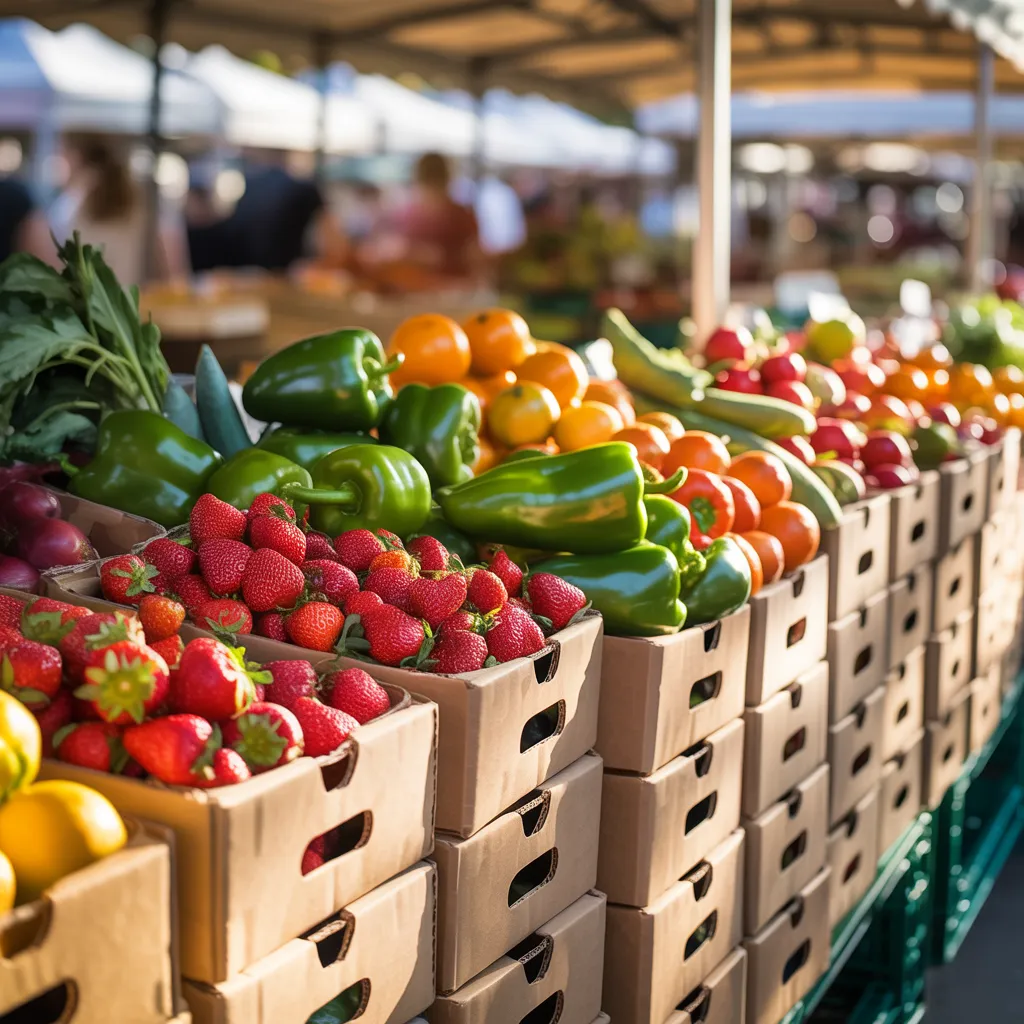
Handling and delivery considerations have a significant role in defining the right dimensions and configuration of bespoke produce boxes. The measurements need to contain the produce with no excessive space, that could cause movement and damage in transit. Smaller, compact boxes make simpler management, whereas larger boxes may be essential to handle bulkier items. Also, thoughtful design remains important; handles or access ought to be deliberately placed to allow for comfortable lifting and carrying. The form relating to the box equally affects stacking and steadiness, ensuring that goods stay secure. Ultimately, careful consideration regarding such components enhances the productivity in transport, minimizes product waste, and maintains the overall integrity of the produce from field toward consumer.
Improve Shelf Space Management
Effective storage space management copyrights upon determining the fitting size and shape of custom produce boxes. Developers should take into account the dimensions of the shelving units as well as the sorts of vegetation being positioned. Standard-shaped boxes often solidify space efficiency, allowing for smoother arrangement and stacking. By contrast, nonstandard shapes can heighten aesthetic quality but may result in unutilized gaps if not meticulously planned.
It's necessary to examine the stock circulation rate; briskly-selling products might benefit with compact, easily reachable containers. Likewise, integrating customizable or modular designs can enable different sizes of items while maximizing shelf organization. By emphasizing functionality and aesthetic considerations, firms can fashion a practical and attractive display that elevates both accessibility and item visibility.
How to Design Visuals That Grab Interest?
Compelling artwork can transform a plain custom produce box into a visual masterpiece that draws notice. To reach this, designers should commence by selecting a color combination that conveys the freshness and vibrancy of the produce. Bright, eye-catching colors can awaken feelings of freshness and information wellbeing, motivating consumers to take a further look.
Using strong typefaces is also essential; clear and legible fonts can effectively communicate key details while improving aesthetic quality. Additionally, using premium photographs of the produce can create an immediate connection, displaying the product's quality and attracting potential buyers.
Furthermore, incorporating distinctive visual elements and patterns can help set apart the brand in a busy market. Alignment in design elements, such as logos and taglines, reinforces brand identity. Ultimately, a fusion of inventiveness and precision in graphic design can greatly lift the impact of custom produce boxes, making them gain attention on shelves.
Eco-Friendly Practices for Personalized Produce Box Packaging Solutions
An increasing number of businesses are implementing environmentally sustainable methods for custom produce box packaging, recognizing its significance in today's eco-aware market. These approaches often encompass the use of biodegradable materials, such as recycled paper and plant-based plastics, which minimize environmental impact. Companies are also focusing on responsible material sourcing, ensuring that materials are obtained from responsibly managed forests or suppliers who emphasize environmental stewardship.
Furthermore, numerous brands are going with understated designs that minimize waste while still efficiently promoting their products. This method not only appeals to eco-aware consumers but also assists in lowering production costs. Moreover, businesses are increasingly implementing efficient manufacturing processes that minimize energy consumption and waste generation. By incorporating these eco-friendly practices, companies not only enhance their brand image but also contribute positively to the planet, aligning their operations with a sustainable future.
Testing Your Personalized Produce Box Layout
Testing the layout of personalized vegetable containers is an essential step in ensuring they satisfy both visual and practical requirements. This procedure typically involves assessing factors such as strength, dimensions, and usability. First, prototypes should be created to assess the container's structural integrity, ensuring it can endure transportation and storage without compromising the products.
Subsequently, functional tests can be implemented to determine how conveniently the boxes can be pried open, shut, and positioned. Input from end users can be vital in this stage, communicating insights into the box's practical value.
Furthermore, the aesthetic quality of the design should be evaluated through consumer testing panels or questionnaires, measuring consumer reactions to brand components, color schemes, and overall presentation.
Ultimately, thorough evaluation enables designers to improve the box, ensuring it not only appeals to customers but also effectively protects and showcases the produce within, striking the right equilibrium between form and function.
Effectively Marketing Your Custom Produce Boxes
Effective marketing of personalized produce boxes necessitates a well-planned strategy that underscores their unique features and benefits. Businesses must prioritize pinpointing their intended customers, whether they are local farms, grocery stores, or individual consumers. Utilizing social media platforms can amplify market visibility, presenting the boxes' design and practicality through compelling visuals and storytelling.
Moreover, partnering with local influencers or farmers can improve trustworthiness and expand reach. Offering special deals or reduced prices during peak seasons can draw first-time customers and promote ongoing purchases.
Moreover, stressing environmental consciousness and green initiatives in marketing materials can appeal to eco-minded customers. Supplying detailed information about the materials used and the benefits of personalized packaging options can better position the product in an increasingly competitive landscape.
Ultimately, a comprehensive marketing strategy that blends digital and local efforts will successfully promote custom produce boxes, appealing to a diverse clientele and driving sales.
Common Inquiries Asked Regularly
What Are the Expenses Connected With Custom Produce Box Design?
Costs associated with custom produce box design include raw materials, print work, workforce expenses, and delivery. Additionally, design services and minimum order quantities can impact overall costs, resulting in varying pricing based on particular needs and manufacturing volume.
What Duration Is Required to Make Custom Boxes?
Production of custom boxes typically requires two to six weeks. Important elements affecting this schedule involve design intricacy, sourcing of materials, and manufacturing output, all of which may affect shipping timelines and delivery windows.
Is it Feasible to Order a Modest Quantity of Tailored Produce Boxes?
Yes, small amounts of personalized fruit and vegetable boxes can usually be requested. Many suppliers offer base purchase minimums, allowing businesses or individuals to obtain tailored packaging options without needing to pledge to large volumes at the start.
What Are Common Errors to Prevent in Personalized Box Layout?
Frequent errors in custom box design involve neglecting functionality, ignoring brand consistency, underestimating material quality, not considering target audience preferences, and overlooking environmental impact. Each aspect is essential for effective packaging and customer satisfaction.
How Can I Verify My Boxes Are Safe for Food?
To verify boxes are food-safe, one needs to opt for substances qualified for food contact, avoid toxic inks and adhesives, copyright cleanliness during production, and regularly test for compliance with health regulations and safety standards.